

Gadgets
Why Phone and Laptop Batteries Degrade Over Time
What actually wears a lithium battery out, why charge level and heat matter more than cycle count, and which habits genuinely extend its life.
What actually wears a lithium battery out, why charge level and heat matter more than cycle count, and which habits genuinely extend its life.

How Docker Compose works: services, volumes and networks, why depends_on does not wait for readiness, and where Compose stops being the right tool.

How to run Whisper on your own computer: which model size to pick, what each needs, how accurate they really are, and what it still cannot do.

How to run Stable Diffusion on your own machine: what VRAM each model family needs, which interface to pick, and what the results actually cost in time.
What Q4, Q5 and Q8 actually mean, how much memory each needs, where quality genuinely degrades, and how to pick a quantisation for your own hardware.
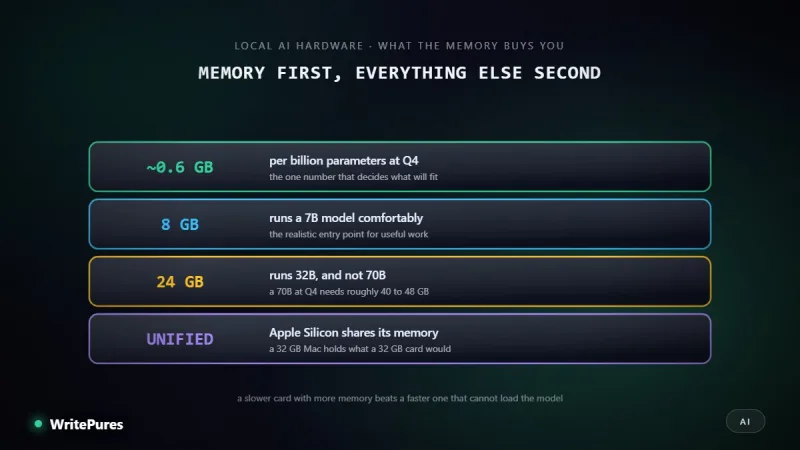
How to choose a GPU for local AI: the memory arithmetic that decides what fits, what each tier actually runs, and why Apple Silicon changes the maths.
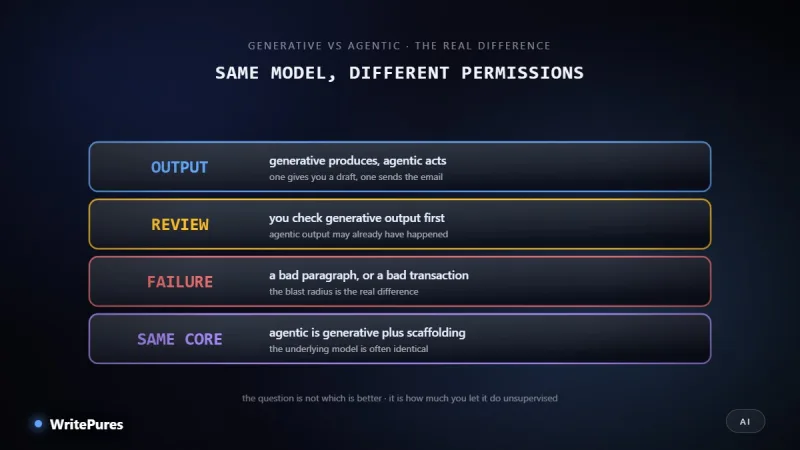
Generative AI vs agentic AI compared: what each actually does, where the boundary sits, which to use for a given job, and how the failure modes differ.
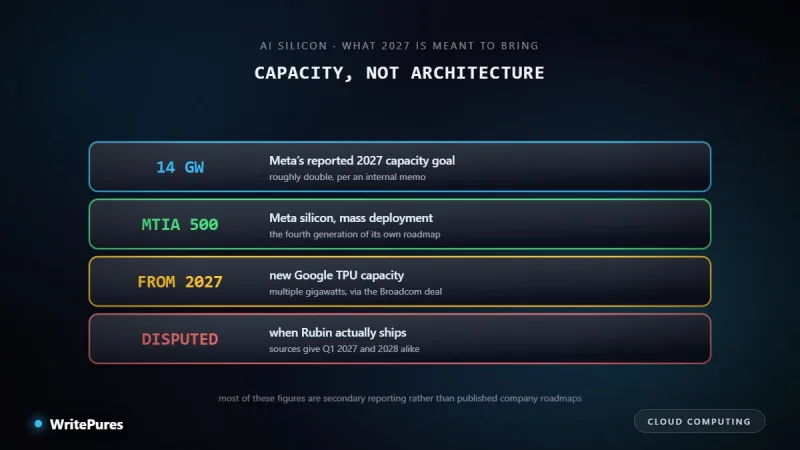
What is committed for AI hardware in 2027: Meta's capacity target, new Google TPU capacity, AMD's roadmap, and why Rubin's ship date is disputed.
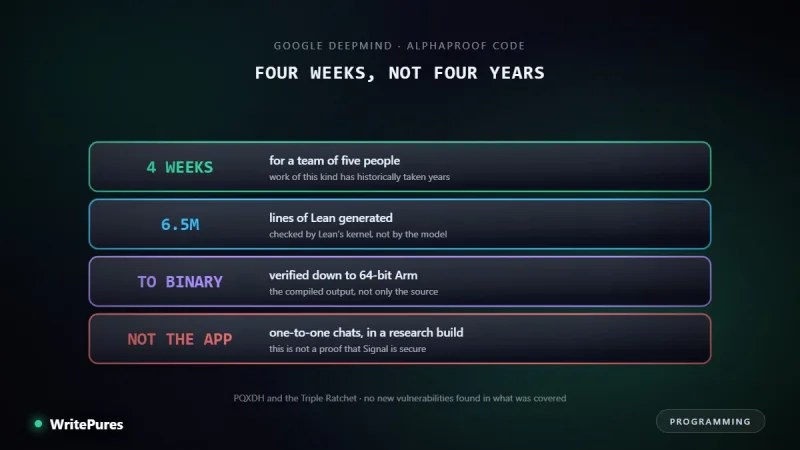
Google DeepMind used AI agents to formally verify Signal's post-quantum handshake and Triple Ratchet down to Arm machine code, in about four weeks.
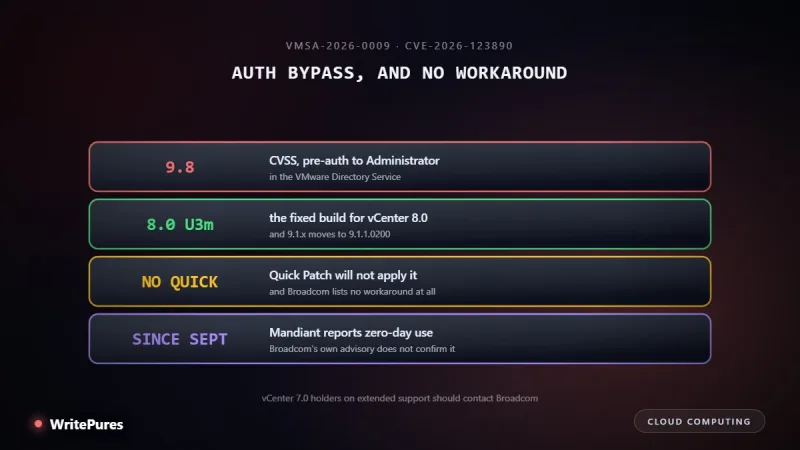
Broadcom has patched CVE-2026-123890, a critical vCenter authentication bypass. The affected versions, the fixed builds, and why Quick Patch will not help.
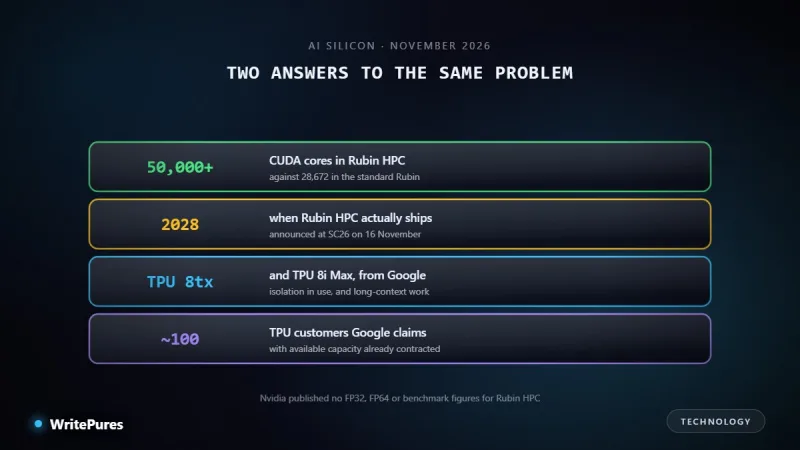
Nvidia unveiled Rubin HPC at SC26 and Google expanded its eighth-generation TPUs. What each is for, what is actually available, and what neither has disclosed.
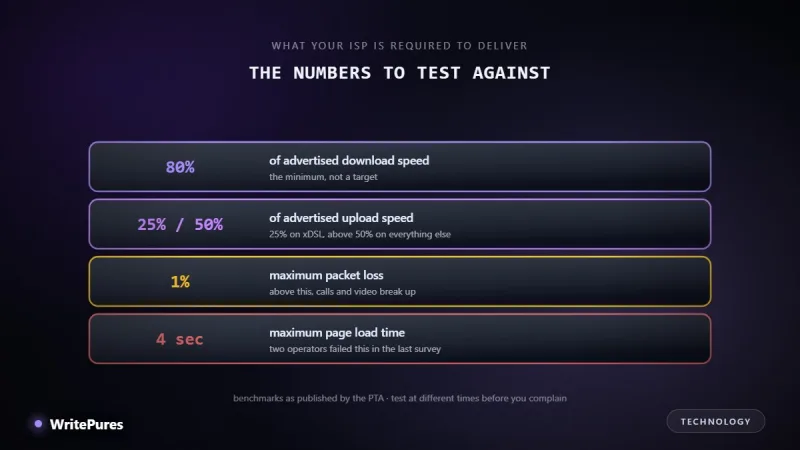
How to test your broadband properly, what speeds your ISP must legally deliver in Pakistan, and how to escalate a complaint to the PTA with evidence.