How Data Centres Work and Why They Use So Much Power
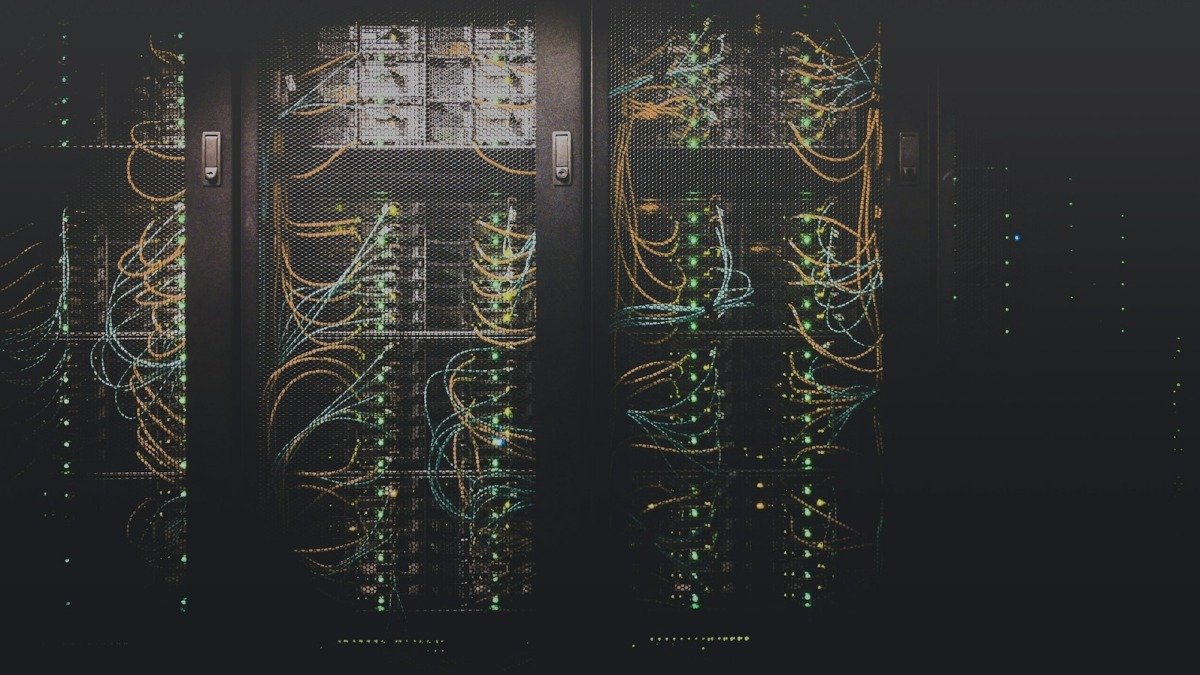
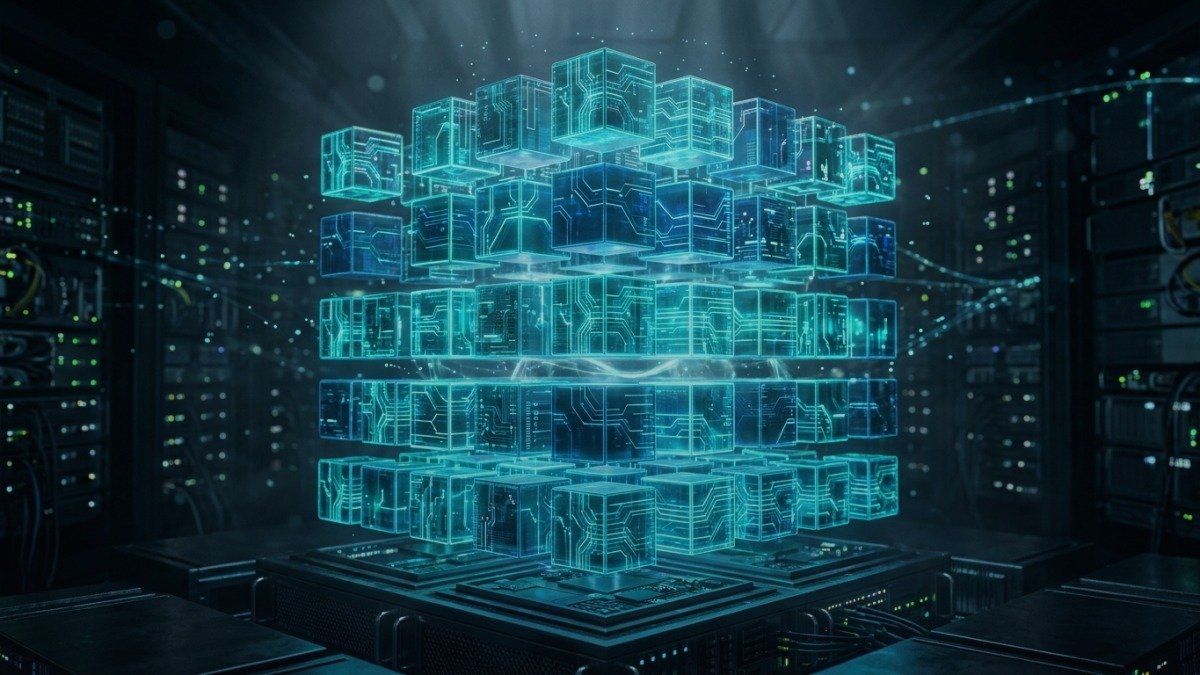
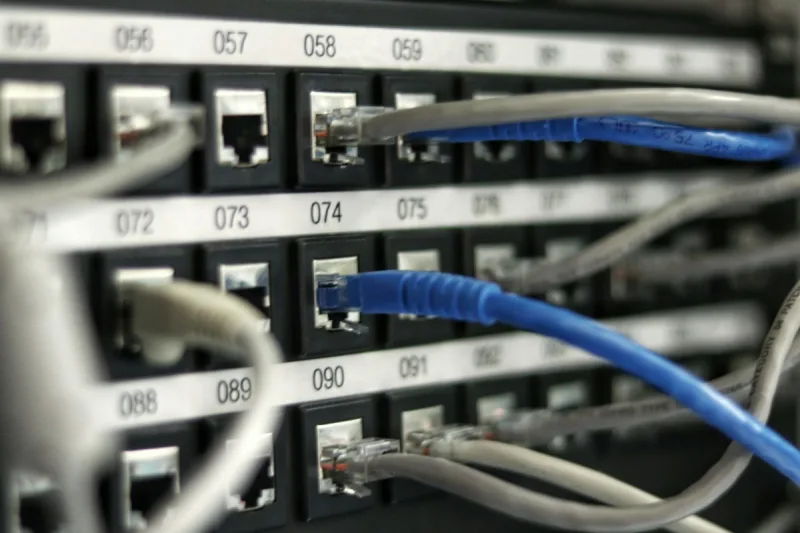
Data centres are the physical internet. This guide explains what is inside one, where the power actually goes, and why AI workloads changed the economics of building them.


Compare Prometheus and Grafana: understand how time-series metrics collection and visual dashboards combine to form the ultimate cloud observability stack.
Clear up the container confusion. Learn the key differences between Docker and Kubernetes, and how they seamlessly cooperate in enterprise production.
A comprehensive comparison of GitHub Actions vs Jenkins: evaluate cloud-managed runners against self-hosted infrastructure, setup time, plugins, and cost.
Kubernetes demystified. Understand how K8s orchestrates, auto-heals, and scales microservices across worker nodes with simple architectural metaphors.
Demystify Docker and containerization. Learn how Docker solves "it works on my machine" through lightweight OS virtualization, images, and registries.
A comprehensive beginner guide to DevOps: uncover core principles, the infinite deployment loop, CI/CD automation, and essential modern tools.
The architectural dilemma of Serverless Containers vs Kubernetes defines enterprise cloud computing budgets in 2026, balancing developer velocity against infrastructure control.
When safeguarding enterprise applications, evaluating NGINX vs Apache Security reveals crucial architectural trade-offs in request handling and DDoS resilience.
A production-grade Laravel deployment guide covering zero-downtime atomic releases, NGINX ingress tuning, Supervisor queue workers, and caching.
The release of Kubernetes v1.33 marks a major milestone for AI/ML infrastructure, bringing production-grade GPU scheduling and hardened cluster controls.
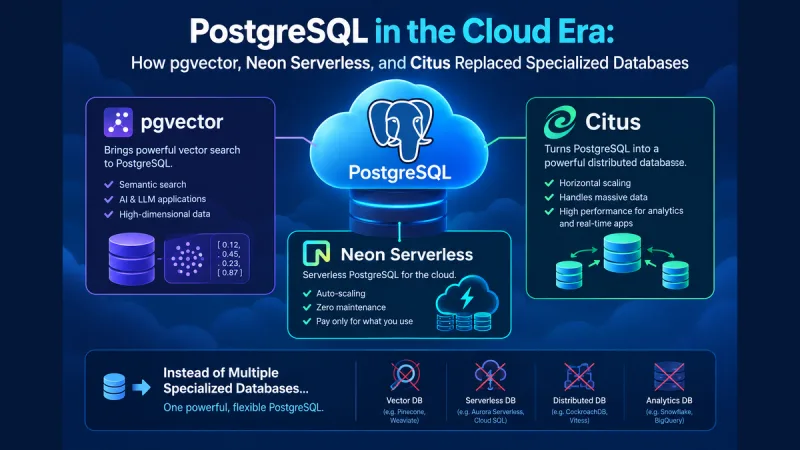
For years, teams ran five separate databases for SQL, NoSQL, search, caching, and AI vectors. Here is how modern PostgreSQL extensions and serverless storage architectures made "Just Use Postgres" the dominant cloud pattern of 2026.