

How to Protect Your Business From AI Phishing Attacks
A comprehensive enterprise guide to AI phishing protection, defeating deepfake voice clones, generative spear-phishing, and adversary-in-the-middle kits.
The latest in consumer and enterprise technology.
A comprehensive enterprise guide to AI phishing protection, defeating deepfake voice clones, generative spear-phishing, and adversary-in-the-middle kits.
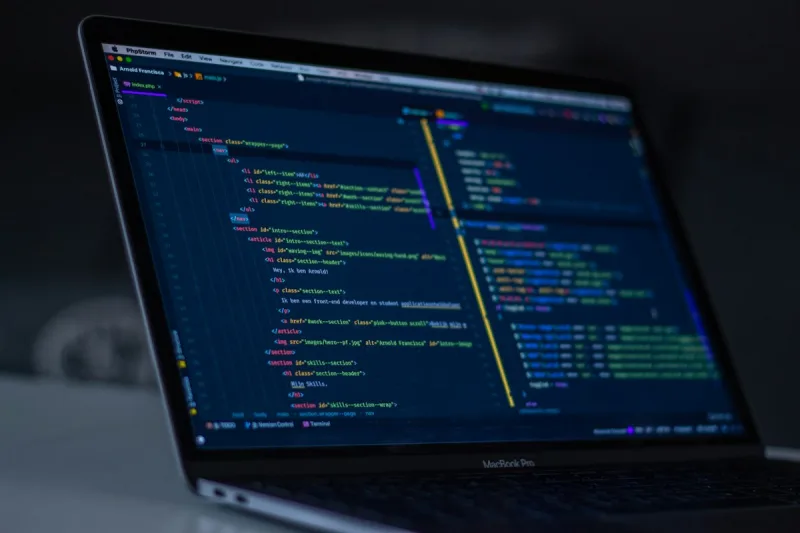
A definitive pre-production Laravel security checklist for developers, auditing APP_DEBUG suppression, cookie flags, CSP headers, and composer audits.

A practical evaluation of the best AI coding tools in 2026 for students and software engineers, reviewing agentic IDEs, terminal assistants, and local LLMs.
As cybercriminals deploy generative LLMs to craft hyper-personalized deception campaigns, modern security teams rely on AI Phishing Defense frameworks to protect sensitive enterprise infrastructure.
The architectural dilemma of Serverless Containers vs Kubernetes defines enterprise cloud computing budgets in 2026, balancing developer velocity against infrastructure control.

The premier smartphone battle of 2026 pits the Galaxy S26 Ultra vs iPhone 17 Pro Max across titanium hardware, display brightness, camera sensors, and battery longevity.

Selecting the right Clinic Management Software in 2026 streamlines patient intake, electronic prescriptions, insurance claims, and multi-specialty medical scheduling.
Securing modern PHP applications requires implementing established Laravel Security Best Practices across Eloquent models, middleware, and API endpoints.

When safeguarding enterprise applications, evaluating NGINX vs Apache Security reveals crucial architectural trade-offs in request handling and DDoS resilience.
A production-grade Laravel deployment guide covering zero-downtime atomic releases, NGINX ingress tuning, Supervisor queue workers, and caching.

Following recent web interpreter exploits, implementing proactive PHP-FPM Security Hardening safeguards production clusters against process hijacking and memory leaks.

A critical zero-day security advisory published on October 21 reveals widespread memory corruption vulnerabilities in PHP, prompting immediate patch deployments worldwide.