
As microservice architectures and Docker containers become standard across enterprise IT, software engineers frequently ask what is kubernetes and why modern cloud computing depends so heavily on it. While Docker excels at packaging individual applications into containers, managing hundreds of containers across dozens of physical or cloud servers introduces immense operational complexity. Kubernetes solves this by acting as an automated container conductor—scheduling, scaling, and repairing containers without human intervention.
For cloud architects, site reliability engineers, and DevOps leads exploring cluster engineering in our Cloud Computing and Programming sections—and teams reviewing our runtime comparisons in What Is Docker and How Does It Work?—architectural blueprints published on the Official Kubernetes Documentation Portal illustrate how declarative cluster orchestration powers global web scale.
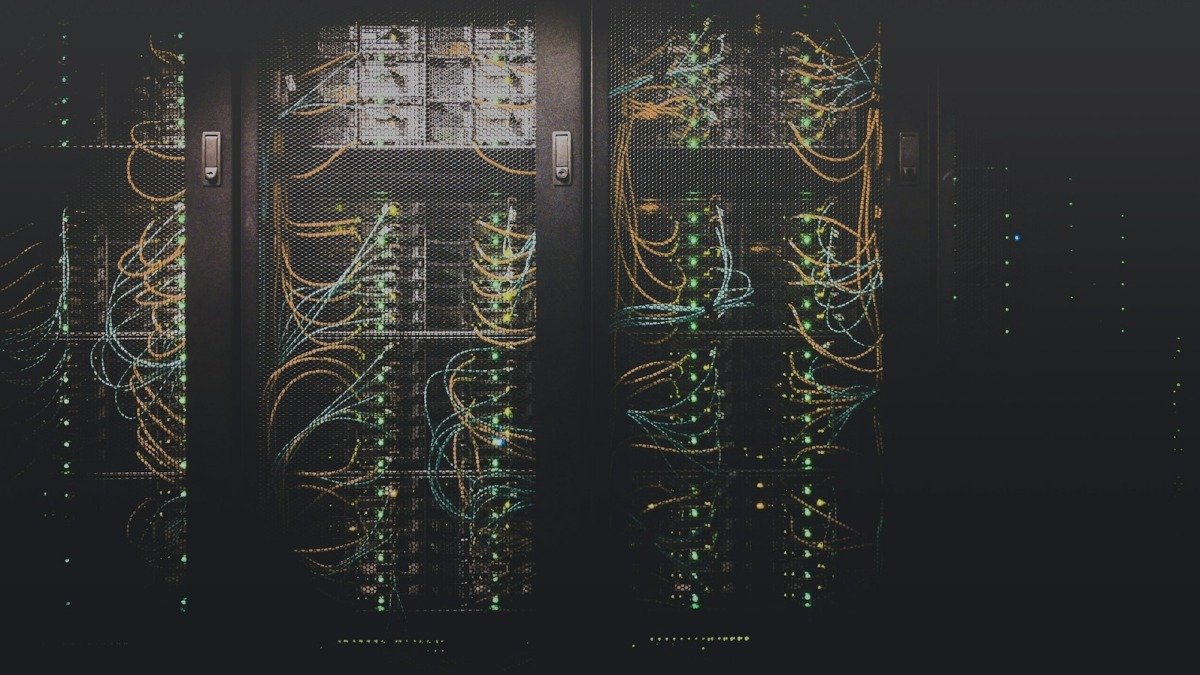
Core Architectural Concepts: What Is Kubernetes Made Of?
To clearly comprehend what is kubernetes, engineers must understand how its distributed control plane communicates with worker nodes:
- The Control Plane (The Brain): The master management layer that inspects cluster health, makes global scheduling decisions, and monitors workloads. Key components include the
kube-apiserver, theetcddistributed database, thekube-scheduler, and thekube-controller-manager. - Worker Nodes (The Muscle): Physical or virtual machines running the container runtime (containerd), the
kubeletagent (which executes commands from the API server), andkube-proxy(which manages network routing). - Pods (The Atomic Unit): The smallest deployable computing unit in Kubernetes, wrapping one or more tightly coupled containers that share identical storage volumes and network IP addresses.
| Kubernetes Abstraction | Real-World Metaphor | Core Operational Function |
|---|---|---|
| Cluster | Entire Shipping Port | The physical/virtual infrastructure pooling all compute, storage & networking |
| Worker Node | Individual Cargo Ship | A single server hosting and running application container workloads |
| Pod | Shipping Container Unit | The smallest atomic unit encapsulating one or more application containers |
| Deployment | Fleet Manager Instructions | Declarative controller maintaining desired replica counts and rolling updates |
| Service | Port Gate & Reception Desk | Stable IP and DNS endpoint load-balancing traffic across ephemeral Pods |
| Ingress Controller | Customs & Traffic Highway | HTTP/HTTPS router directing external internet traffic to internal cluster services |
The Four Superpowers of Kubernetes
Examining what is kubernetes reveals four superpowers that make it indispensable for enterprise cloud computing:
1. Automated Self-Healing
If an application container crashes or an entire physical server catches fire, Kubernetes notices the failure within seconds. The controller automatically restarts failed containers, evicts dead nodes, and reschedules replacement Pods onto healthy surviving nodes.
2. Horizontal Pod Auto-Scaling (HPA)
When unexpected traffic spikes occur, Kubernetes automatically spins up additional container replicas based on real-time CPU, RAM, or custom application queue metrics. Once traffic normalizes, it gracefully scales workloads back down to minimize cloud bills.
3. Zero-Downtime Rolling Updates
Kubernetes allows developers to deploy new application versions without dropping active client connections. It gradually replaces old version Pods with new version Pods, continuously verifying health checks before cutting over live web traffic.
4. Declarative Configuration (GitOps)
Instead of manually executing server commands, operators declare their desired state in declarative YAML manifests. Kubernetes continuously compares actual cluster state against declared state, automatically reconciling any configuration drift.
When Should You Use Kubernetes?
A crucial consideration in learning what is kubernetes is recognizing that it is not necessary for every project. A simple monolithic website with modest traffic is often far better served by a lightweight VPS or managed container service. However, for large engineering teams running dozens of distributed microservices across multi-region cloud providers, Kubernetes represents the undisputed gold standard.
Summary: The Operating System of the Cloud
Demystifying what is kubernetes illustrates why it is hailed as the universal operating system of modern cloud computing. By automating container scheduling, self-healing, and traffic routing, Kubernetes enables engineering teams to scale mission-critical digital applications with unparalleled resilience in 2026.





0 Comments
Join the conversation
Replying toNo comments yet. Be the first to share your thoughts.