

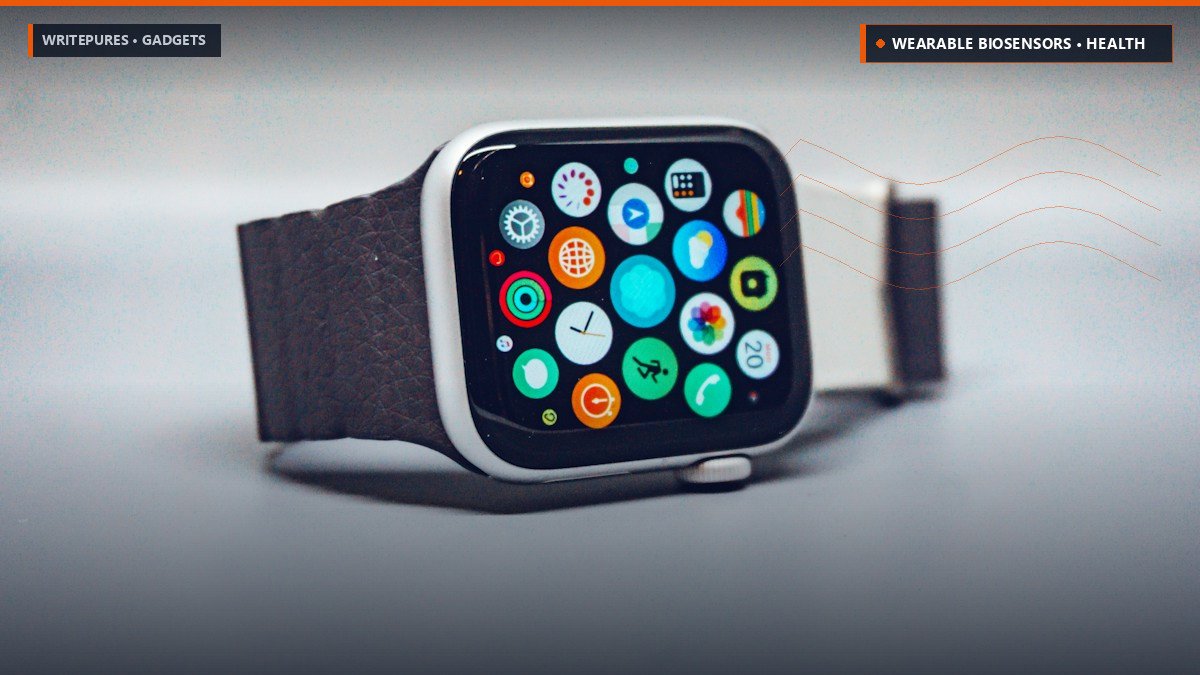
A decade ago, wearable technology was synonymous with basic wrist pedometers that buzzed when you walked ten thousand steps. In 2026, wearable hardware has undergone a profound transformation. Powered by micro-spectroscopy sensors, ultra-low-power edge machine learning, and refined industrial design, consumer wearables have evolved into continuous preventative healthcare platforms.
The Form-Factor Revolution: The Rise of Smart Rings
While smartwatches remain popular, their bulky form factors and nightly charging requirements make them sub-optimal for 24/7 continuous health tracking—especially during sleep. Smart rings, crafted from aerospace-grade titanium and medical epoxy, have emerged as the preferred form factor for wellness enthusiasts.
The vascular structure in human fingers provides a significantly stronger optical pulse signal than the back of the wrist. This allows miniature photoplethysmography (PPG) sensors to measure heart rate variability (HRV), peripheral blood oxygenation, and subtle micro-fluctuations in basal body temperature with clinical-grade precision.
Biomarkers Tracked in 2026
- Non-Invasive Glucose Trends: Infrared Raman spectroscopy sensors are offering optical metabolic trend estimates, helping non-diabetic and pre-diabetic users observe insulin responses without fingersticks.
- Continuous Cuffless Blood Pressure: Utilizing pulse transit time (PTT) calculations between ECG signals and optical wave reflections to monitor arterial stiffness and nocturnal hypertension.
- Early Illness Detection: By correlating elevated nighttime resting heart rates with minute skin temperature elevations, algorithms frequently alert users to viral infections up to 24 hours before physical symptoms manifest.
Data Privacy & Sovereignty
Health metrics are the most sensitive personal data users generate. Modern wearable manufacturers are adopting zero-knowledge on-device encryption, ensuring biometric telemetry cannot be monetized by third-party advertisers or insurance providers without explicit consent.








0 Comments
Join the conversation
Replying toNo comments yet. Be the first to share your thoughts.