

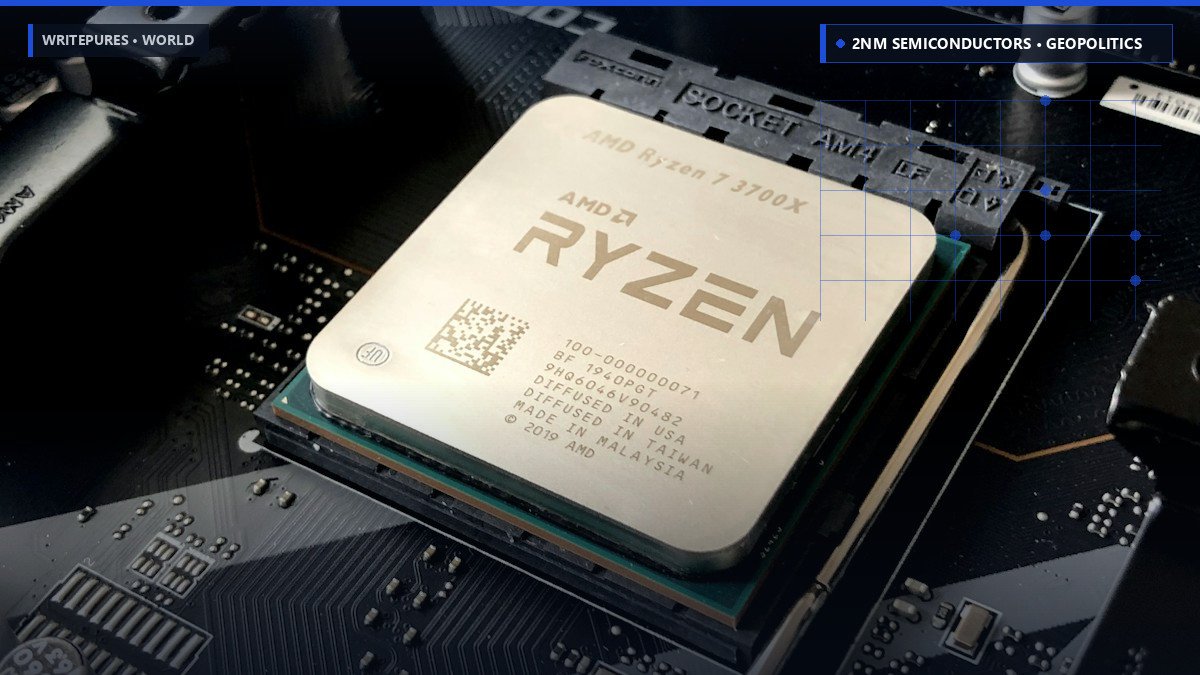
Every artificial intelligence cluster, smartphone, electric vehicle, medical scanner, and defense system on earth depends on microscopic silicon wafers etched with ultraviolet light at tolerances smaller than a strand of DNA. In 2026, the global semiconductor industry has crossed two historic thresholds: the commercial ramp-up of 2-nanometer (2nm) Gate-All-Around (GAA) logic chips and the most ambitious geographic restructuring of manufacturing supply chains in fifty years.
The Physics of 2nm and Backside Power Delivery
For over a decade, chipmakers relied on FinFET 3D transistor structures to keep Moore's Law alive. At the 2nm node in 2026, foundries across Taiwan, the United States, South Korea, and Japan have transitioned to Gate-All-Around (GAA) nanosheet transistors, where the gate material completely surrounds ultra-thin silicon ribbons to eliminate electrical current leakage.
Simultaneously, Backside Power Delivery Networks (BSPDN) move power routing wires to the underside of the silicon wafer, reserving the top layers exclusively for high-speed data interconnects. Together with HBM4 (High Bandwidth Memory) and CoWoS advanced packaging, these innovations allow next-generation AI accelerators to process trillions of operations per watt.
Regionalization & The RISC-V Open Silicon Opportunity
While advanced fabs in Taiwan, Arizona, Kumamoto, and Dresden dominate capital expenditure, 2026 has also unlocked a golden window for emerging economies in South and Southeast Asia:
- Fabless Chip Design & Verification: Designing and verifying Application-Specific Integrated Circuits (ASICs) requires brainpower, not $20 billion cleanrooms. Engineering teams in emerging hubs are increasingly contracted for Verilog/SystemVerilog verification and physical layout.
- The Rise of Open-Source RISC-V: Free from proprietary licensing royalties, RISC-V microcontroller and IoT chip designs allow universities and startups worldwide to design custom silicon and tape out chips through shared multi-project wafers.
Silicon Diplomacy
In the late 2020s, economic sovereignty is measured not only in energy reserves, but in domestic semiconductor design talent, resilient mineral supply chains, and trusted packaging capacity.








0 Comments
Join the conversation
Replying toNo comments yet. Be the first to share your thoughts.