

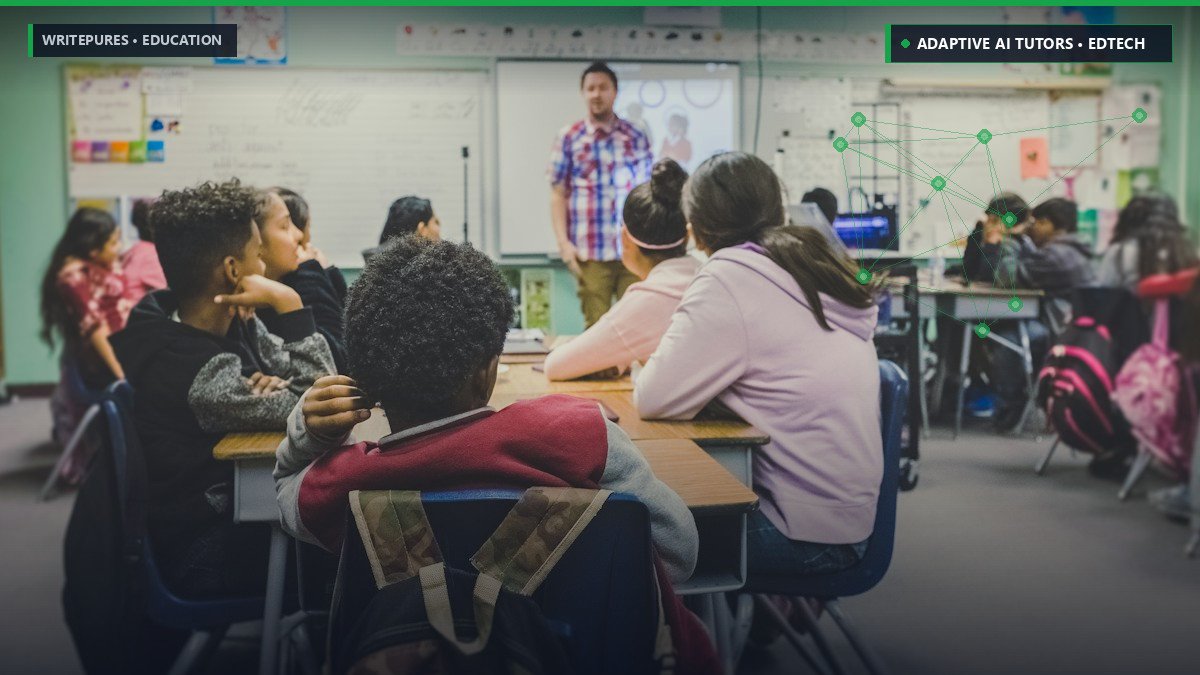
In developing nations across South Asia, Africa, and Latin America, educational inequality has historically been entrenched by geographic and economic barriers. Rural schools suffer from acute shortages of qualified STEM teachers, while elite private tutoring remains accessible only to the wealthiest households. In 2026, AI-powered adaptive learning platforms are transforming this dynamic by democratizing world-class 1-on-1 tutoring for any student with access to a basic smartphone.
The Socratic Dialogue: How Modern AI Tutors Teach
Early educational software was little more than multiple-choice quizzes and digitized textbooks. When a student entered a wrong answer, the system simply displayed "Incorrect" and showed the solution—doing little to cultivate critical thinking.
Modern AI tutors employ the Socratic Method. Rather than providing direct answers, the tutor guides the student with diagnostic follow-up questions:
- "I see you added the fractions by combining the denominators directly. What do we need to find before we can add fractions with different denominators?"
- "Notice the negative sign in front of the parenthesis. How does that affect each term inside when you expand it?"
This interactive dialogue models the pedagogical behavior of experienced human educators, helping students build deep conceptual understanding.
Overcoming the Language and Connectivity Barrier
In Pakistan, initiatives partnering with national telecom operators are delivering voice-enabled AI learning tools that converse fluently in both English and Urdu. Students who struggle with technical English jargon can ask for explanations in Urdu, receive step-by-step audio breakdowns, and then practice problems in either language. By utilizing compressed on-device models, learning continues even when internet connectivity drops.
Empowering Teachers, Not Replacing Them
Far from replacing human educators, AI tutoring dashboards highlight which students are falling behind on specific curriculum milestones, enabling teachers to deliver targeted small-group intervention during class time.








0 Comments
Join the conversation
Replying toNo comments yet. Be the first to share your thoughts.