

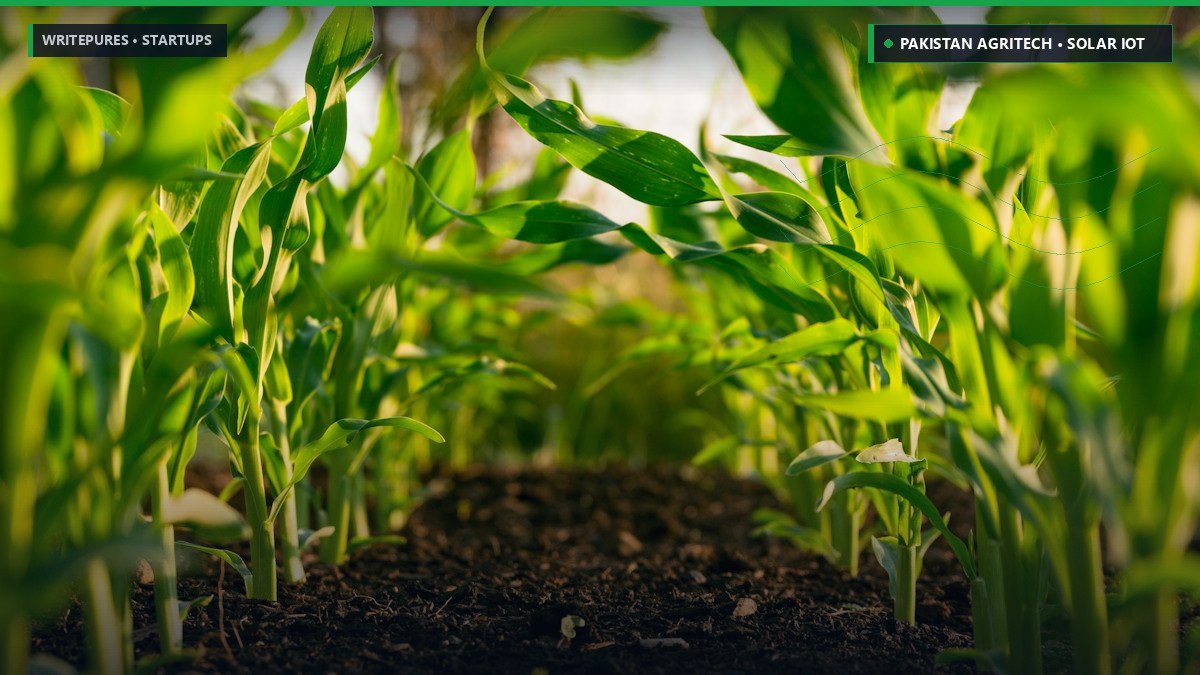
Agriculture remains the bedrock of Pakistan's economy, contributing nearly a quarter of national GDP and employing over a third of the labor force across the Indus Basin. Yet for decades, Pakistani smallholder farmers were trapped between two unforgiving pressures: erratic climate shocks—alternating between devastating monsoon floods and scorching spring heatwaves—and an archaic Arhti (middleman) credit system that charged exorbitant informal markups on seeds and fertilizers. In 2026, a maturing cohort of Pakistani AgriTech startups is rewriting rural economics.
1. Solar Tube-Wells Meets Smart IoT Irrigation
Over the past two years, hundreds of thousands of Pakistani farms transitioned from expensive diesel and grid-powered tube-wells to off-grid solar photovoltaic arrays. While solar slashed energy bills, free daytime pumping initially created a risk of groundwater depletion.
Local AgriTech hardware startups have introduced rugged, low-cost LoRaWAN soil moisture and salinity probes. Connected to automated solar pump controllers, these sensors measure root-zone hydration and trigger drip or flood irrigation only when the crop mathematically requires water—reducing groundwater extraction by 35% while increasing wheat, cotton, and maize yields.
2. Satellite Crop Scoring & Shariah-Compliant Input Credit
Commercial banks historically avoided lending to farmers owning less than 12 acres due to the cost of physical field inspections. Today, Pakistani agri-fintech platforms analyze free and commercial multispectral satellite feeds (Sentinel-2 and PlanetScope) to track Normalized Difference Vegetation Index (NDVI) signatures for individual farm parcels across Punjab and Sindh.
This digital audit trail enables banks to approve instant, Shariah-compliant Salam and Murabaha input vouchers redeemable at verified village agri-stores via biometric thumbprints.
Direct Farm-to-Retail Supply Chains
By aggregating produce at village collection centers with optical grading and cold-storage trucks, B2B agri-marketplaces have cut post-harvest fruit and vegetable spoilage from 30% down to under 9%, putting 20% higher net payouts directly into farmers' Raast bank accounts.








0 Comments
Join the conversation
Replying toNo comments yet. Be the first to share your thoughts.