

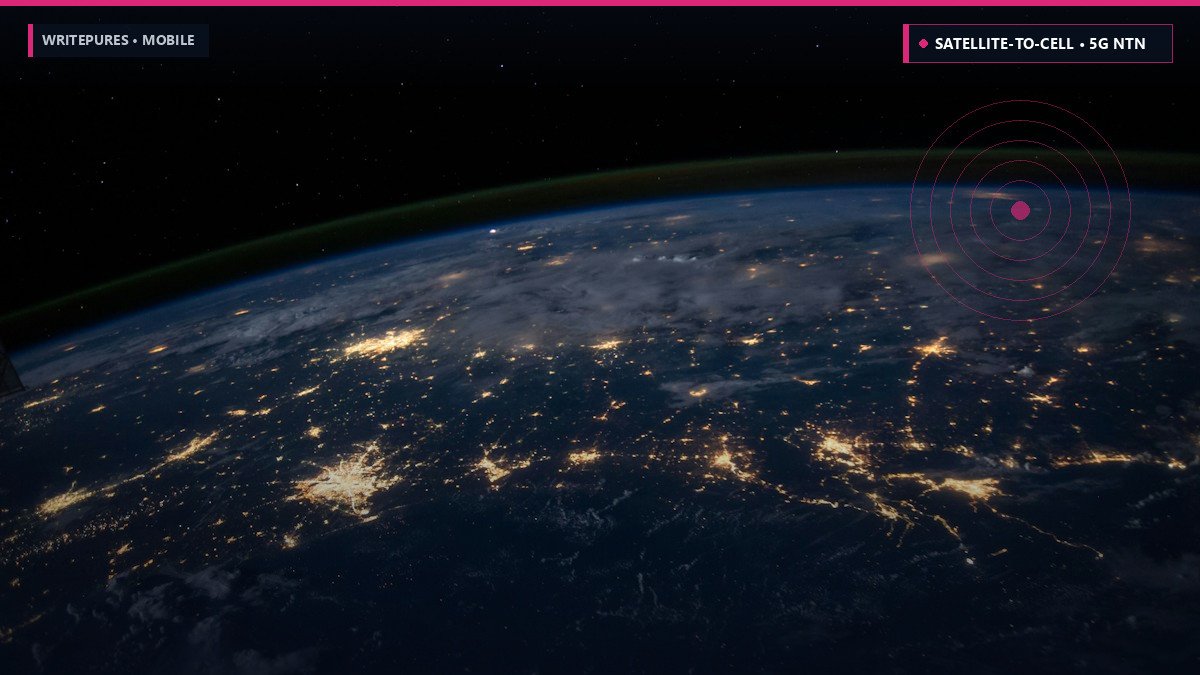
Whether navigating remote mountainous highways in Northern Pakistan or sailing offshore, mobile users have long accepted cellular dead zones as an inescapable reality of geography. Building physical cell towers in rugged terrain, dense forests, or open oceans is economically unviable. In 2026, the convergence of 5G Advanced and Satellite-to-Cellular (Direct-to-Device) technology is rendering dead zones a relic of the past.
How Direct-to-Device Satellite Works
Early satellite connectivity required specialized, brick-sized handsets with large swivel antennas. Today, Low Earth Orbit (LEO) satellite constellations equipped with phased-array beamforming antennas act as orbiting cell towers 500 kilometers above the earth.
By leveraging standard mid-band cellular spectrum allocated by international regulators, satellites communicate directly with standard 5G baseband chips found inside everyday smartphones. When a user wanders beyond the reach of terrestrial cell towers, the phone automatically handshakes with an overhead satellite, establishing an encrypted link for text messaging, voice calls, and basic data services.
Key Benefits for Emerging Economies
- Disaster Resilience: When earthquakes, floods, or power blackouts take terrestrial cell towers offline, satellite links remain unaffected, providing vital lifelines for rescue coordination.
- Rural Agriculture & Logistics: Farmers, truck drivers, and maritime operators maintain continuous telemetry and navigation without costly specialized gear.
- Tourism & Exploration: Travelers exploring remote regions stay connected for emergencies without requiring expensive secondary satellite beacons.
The 5G Advanced Milestone
Beyond satellite integration, 5G Advanced incorporates machine learning directly into radio frequency scheduling, reducing battery consumption on mobile devices by up to 20% while doubling uplink data speeds.








0 Comments
Join the conversation
Replying toNo comments yet. Be the first to share your thoughts.