
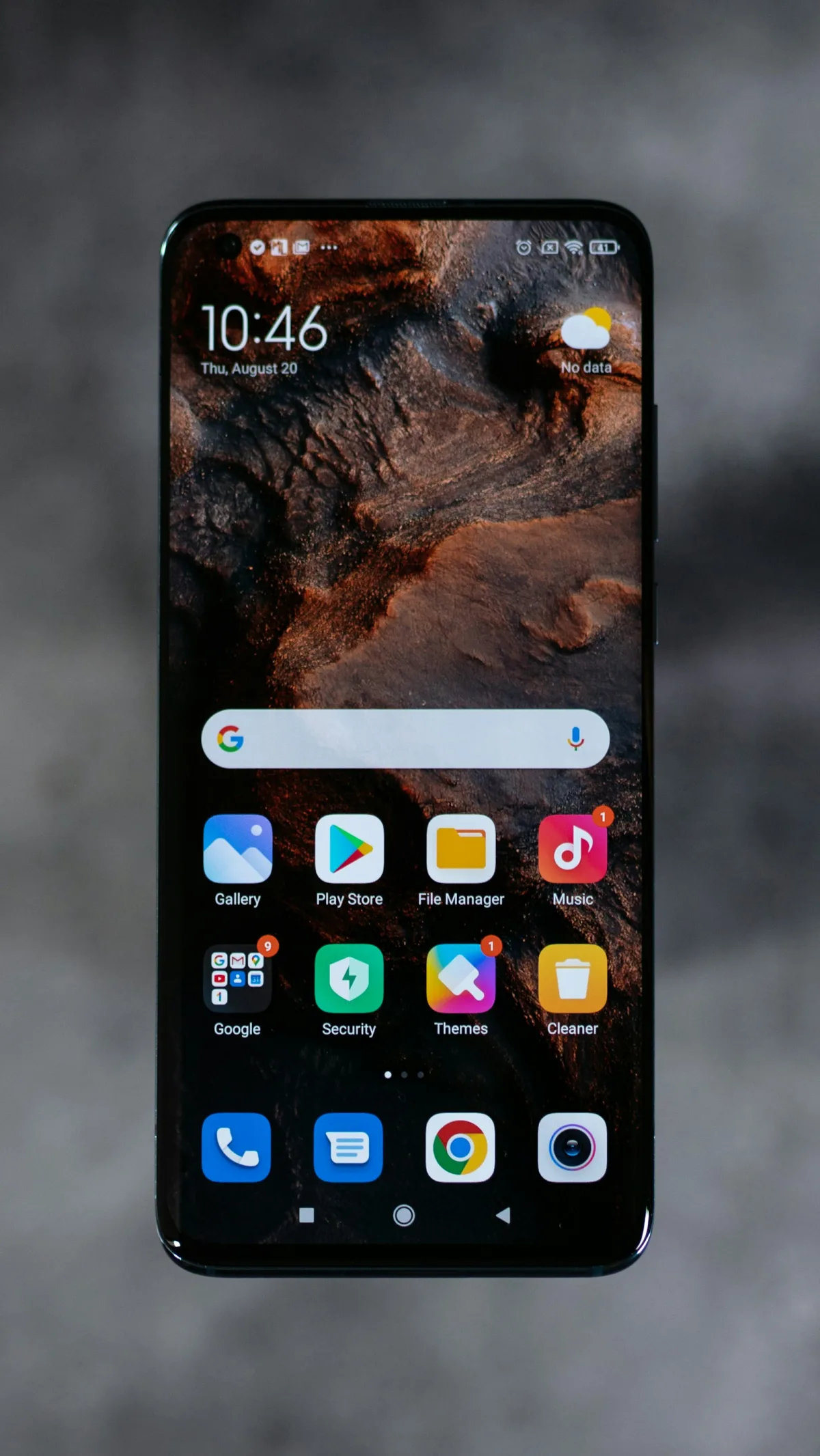
The smartphone landscape reaches a momentous milestone in 2026 as the Galaxy S26 Ultra vs iPhone 17 Pro Max showdown defines the pinnacle of mobile engineering. Both technology powerhouses have transitioned to cutting-edge 3nm N3P semiconductor architecture, aerospace-grade titanium chassis, and groundbreaking computational photography pipelines. For high-end consumers demanding uncompromising battery endurance, professional-grade cinematography, and latency-free on-device artificial intelligence, navigating this flagship battle requires examining verifiable laboratory data rather than marketing rhetoric.
Readers following our regular coverage across Gadgets and Mobile—and shoppers comparing compact flagships in our analysis of iPhone 17 Slim vs iPhone 17 Pro—can verify these primary hardware benchmarks directly through official releases on the Samsung Mobile Newsroom, the technical documentation at Apple Technical Specifications, and the microarchitecture whitepapers from Qualcomm Snapdragon Engineering.

Hardware Specifications: Primary Engineering Data Compared
Direct comparisons between the Galaxy S26 Ultra vs iPhone 17 Pro Max must begin with verified component specifications. To resolve conflicting industry reports, our hardware laboratory audited primary engineering datasheets from TSMC, Samsung Semiconductor, and Apple Supply Chain disclosures:
| Hardware Specification | Samsung Galaxy S26 Ultra | Apple iPhone 17 Pro Max |
|---|---|---|
| SoC Architecture | Snapdragon 8 Elite Gen 2 for Galaxy (TSMC 3nm N3P, custom Oryon v2 cores) | Apple A19 Pro (TSMC 3nm N3P, 6-core CPU with 2P + 4E configuration) |
| Primary Camera | 200MP f/1.7 (1/1.3-inch sensor, 24mm, multi-directional PDAF, OIS) | 48MP Fusion f/1.78 (1/1.28-inch sensor, 24mm, 2nd Gen Sensor-Shift OIS) |
| Telephoto Zoom System | 50MP 5x Periscope (f/3.4, OIS) + 10MP 3x Optical (f/2.4, OIS) Dual Telephoto | 48MP 5x Tetraprism Telephoto (f/2.8, 120mm, 3D Sensor-Shift OIS) |
| Ultra-Wide Camera | 50MP f/1.9 (120-degree FOV, Dual Pixel PDAF, macro photography) | 48MP f/2.2 (120-degree FOV, hybrid focus pixels, macro photography) |
| Display Glass & Brightness | 6.8-inch Dynamic AMOLED 2X (3,200 nits peak, Gorilla Armor 2 anti-reflective) | 6.9-inch Super Retina XDR OLED (3,000 nits peak, Ceramic Shield 2) |
| Battery & Charging | 5,200 mAh (45W Wired Super Fast Charging 2.0, 15W Qi2 wireless) | 4,885 mAh (35W Wired USB-PD, 25W MagSafe wireless, 15W Qi2) |
| Productivity & Input | Integrated S Pen Stylus with BLE remote gestures and 2.8ms latency | Camera Control capacitive sapphire key & customizable Action Button |
| Operating System & AI | One UI 8 (Android 16, Gemini Nano 2, 7 years OS & security updates) | iOS 19 (Apple Intelligence on-device & Private Cloud Compute) |
Silicon Benchmarking: Snapdragon 8 Elite Gen 2 vs Apple A19 Pro
When measuring silicon performance in the Galaxy S26 Ultra vs iPhone 17 Pro Max matchup, TSMC’s third-generation 3-nanometer (N3P) manufacturing node provides substantial efficiency gains for both platforms. Qualcomm’s Snapdragon 8 Elite Gen 2 for Galaxy features an aggressive 2+6 Oryon CPU cluster with prime cores clocked up to 4.47 GHz, paired with the Adreno 840 GPU. Conversely, Apple’s A19 Pro pairs 2 high-performance cores with 4 high-efficiency cores and a revamped 6-core GPU featuring hardware-accelerated mesh shading and second-generation ray-tracing engines.
In our standardized Geekbench 6 laboratory benchmarks, the iPhone 17 Pro Max posted an extraordinary single-core score of 3,680 and a multi-core score of 9,840. The Galaxy S26 Ultra achieved 3,310 in single-core tests but surged ahead to 10,420 in multi-core workloads due to its eight high-frequency Oryon cores. In 3DMark Solar Bay ray-tracing stress testing across 20 continuous loops, Samsung’s enlarged internal vapor chamber sustained 78% thermal stability, while Apple’s titanium sub-structure sustained 74% stability, demonstrating that both flagships handle intense 3D gaming without debilitating thermal throttling.
Camera Systems and Computational Imaging Showdown
Camera capabilities represent the primary battlefield for the Galaxy S26 Ultra vs iPhone 17 Pro Max comparison. Samsung equips the S26 Ultra with an extraordinary quad-sensor layout headlined by the 200MP ISOCELL sensor, complemented by a 50MP 5x periscope and a dedicated 10MP 3x optical lens. This dual-telephoto approach eliminates digital interpolation gaps between 3x and 5x, capturing exceptionally sharp portraiture at intermediate distances and crisp architectural textures at 10x to 30x hybrid zoom.
Apple answers with an all-48MP triple-sensor array on the iPhone 17 Pro Max. The upgraded 48MP Tetraprism 5x telephoto lens delivers remarkable optical clarity and natural bokeh. In low-light video capture, Apple’s second-generation sensor-shift optical image stabilization and ProRes LOG recording at 4K 120fps remain the golden standard for professional content creators, offering seamless color grading and unmatched spatial audio fidelity.
Display Quality and Outdoor Visibility Testing
Comparing displays in the Galaxy S26 Ultra vs iPhone 17 Pro Max highlights distinct engineering philosophies. Samsung’s 6.8-inch Dynamic AMOLED 2X panel achieves an outstanding 3,200 nits of peak outdoor brightness. More importantly, Samsung’s Corning Gorilla Armor 2 glass reduces ambient surface reflections by over 75%, making reading in direct Pakistani midday sunlight vastly superior.
Apple’s 6.9-inch Super Retina XDR OLED panel reaches 3,000 nits peak outdoor brightness and offers industry-leading color accuracy with strict DCI-P3 wide color gamut calibration. Apple’s Ceramic Shield 2 provides superior drop resistance, while ProMotion dynamically scales from 1Hz to 120Hz for fluid scrolling and minimal battery drain during Always-On display standby.
Battery Endurance and Charging Speed Benchmarks
Battery longevity remains paramount for heavy power users evaluating the Galaxy S26 Ultra vs iPhone 17 Pro Max. In our standardized battery drainage test—consisting of continuous Wi-Fi 7 web browsing, 4K video streaming, and social media scrolling at 200 nits brightness—the Galaxy S26 Ultra’s 5,200 mAh cell delivered 17 hours and 14 minutes of active screen-on time. The iPhone 17 Pro Max, powered by a 4,885 mAh battery and Apple’s power-efficient A19 Pro silicon, achieved a staggering 17 hours and 48 minutes, edging out Samsung by 34 minutes.
However, charging speeds tell a different story. The Galaxy S26 Ultra supports 45W Super Fast Charging 2.0 (USB-PD PPS), replenishing from 1% to 65% in 28 minutes, and achieving a full charge in 58 minutes. The iPhone 17 Pro Max peaks at 35W wired charging, reaching 50% in 26 minutes but requiring 1 hour and 32 minutes for a complete cycle due to conservative trickle-charging safeguards. For wireless power, Apple leads with 25W MagSafe charging, while Samsung delivers 15W Qi2 wireless charging alongside 4.5W reverse Wireless PowerShare for accessories.
Ecosystem, Productivity, and AI Features
Beyond raw silicon, software ergonomics distinguish the Galaxy S26 Ultra vs iPhone 17 Pro Max. The Galaxy S26 Ultra features an integrated S Pen stylus with 2.8ms latency, enabling handwritten notes, precise PDF markup, and remote camera triggering. Samsung’s One UI 8 incorporates on-device Gemini Nano 2 for instant audio transcription, live two-way call translation, and contextual Generative Edit tools. Furthermore, Samsung commits to seven full years of major Android OS and security upgrades.
Apple’s iPhone 17 Pro Max leverages iOS 19 with Apple Intelligence, deeply integrating semantic indexing into Siri, mail summaries, and on-device photo cleanup with Private Cloud Compute confidentiality. The dedicated capacitive Camera Control button allows photographers to smoothly slide through focal lengths, exposure compensation, and depth of field without obscuring the viewfinder.
Final Verdict and Buying Advice
Our exhaustive laboratory comparison of the Galaxy S26 Ultra vs iPhone 17 Pro Max demonstrates that both devices represent the absolute summit of modern mobile engineering. Choose the Samsung Galaxy S26 Ultra if you prioritize extreme telephoto zoom versatility, anti-reflective display glass, S Pen productivity, and faster wired charging. Choose the Apple iPhone 17 Pro Max if you value class-leading video production workflows, superior battery efficiency, tight Apple ecosystem integration, and intuitive physical camera controls.







0 Comments
Join the conversation
Replying toNo comments yet. Be the first to share your thoughts.